
Trip at a glance
Duration 6 days / 5 nights
Approach Northern Rongai
Accommodation Mountain camping
Exit Marangu Gate
Price Personalised quotation
Explore Kilimanjaro on the Six-Day Rongai Route
Begin on Kilimanjaro’s northern side, follow the trail towards Kikelewa and Mawenzi Tarn, then cross towards Kibo for a summit attempt. This six-day Rongai programme combines a northern approach with a return through Horombo and Marangu Gate.
The opening stages bring a different perspective from the southern Machame and western Lemosho approaches. Starting at the northern trailhead, you walk to Simba Camp before passing through the Second Cave area on the way to Kikelewa. The next stage climbs towards Mawenzi Tarn before the crossing to Kibo.
This version has one night at Mawenzi Tarn and continues to Kibo on Day 4. It does not include the additional day based at Mawenzi Tarn found in our seven-day Rongai programme. Day 2 remains a substantial stage from Simba through the Second Cave area to Kikelewa, without an overnight at Second Cave.
The planned summit attempt takes place on Day 5, usually beginning overnight from Kibo. The approach reaches the crater rim via Gilman’s Point, with continuation towards Uhuru Peak subject to the guide’s assessment. Afterwards, descend through Kibo to Horombo before the final exit at Marangu Gate on Day 6.
Climb Africa Adventures prepares your quotation around your dates, group size and travel requirements. The six days describe time on the mountain. Arrival days, town hotels, airport transfers and onward activities are additional unless expressly included in the written proposal.
Six-Day Rongai Trek at a Glance
| Trip detail | Proposed arrangement |
|---|---|
| Mountain duration | 6 trekking days / 5 camping nights |
| Starting base | Moshi, with the northern access transfer as agreed |
| Entry approach | Northern Rongai trailhead |
| First camp | Simba Camp, also described as the first Rongai camp |
| Day 2 | Simba → Second Cave area → Kikelewa; no Second Cave overnight |
| Mawenzi Tarn | One overnight, followed by the Kibo crossing on Day 4 |
| Additional acclimatisation day | Not included in this six-day version |
| Summit approach | Kibo → Gilman’s Point → Uhuru attempt, subject to guide assessment |
| Summit stage | Day 5, followed by descent to Horombo |
| Exit route | Horombo → Mandara area → Marangu Gate |
| Accommodation | Mountain camping; hut beds only if expressly agreed |
| Difficulty | Strenuous high-altitude trekking with a demanding summit and descent stage |
| Departure and price | Custom quotation; shared departures only when confirmed |
What Makes This Rongai Journey Different?
A northern beginning
Review a route that starts on a different side of the mountain from Machame or Lemosho. Include the full access transfer in your travel planning.
A compact mountain schedule
Walk through Kikelewa and Mawenzi Tarn before reaching Kibo on Day 4. The itinerary does not contain a separate day remaining at Mawenzi Tarn.
A different route down
The descent leads through Horombo and the Mandara area to Marangu Gate. Your return transfer collects you at the exit side rather than the northern starting point.
A camping experience
Review tent sharing, sleeping equipment, meals and support arrangements before booking so the camp routine matches your expectations.
Route and Overnight Summary
| Day | Planned route | Main focus | Overnight |
|---|---|---|---|
| Day 1 | Moshi → northern trailhead → Simba Camp | Access arrangements and the opening trek | Simba Camp |
| Day 2 | Simba → Second Cave area → Kikelewa | Substantial walking stage towards Kikelewa | Kikelewa Camp |
| Day 3 | Kikelewa → Mawenzi Tarn | Ascent into higher mountain surroundings | Mawenzi Tarn Camp |
| Day 4 | Mawenzi Tarn → Kibo | Saddle crossing and summit preparation | Kibo camping area; rest before departure |
| Day 5 | Kibo → Gilman’s Point → Uhuru attempt → Kibo → Horombo | Overnight summit attempt and substantial descent | Horombo camping area |
| Day 6 | Horombo → Mandara area → Marangu Gate → Moshi | Final descent, park exit and agreed transfer | Town hotel only if included |
This is the proposed six-day variation. Camp allocation, local walking and departure times follow the confirmed arrangements and guide decisions. Walking pace and conditions affect daily timing.
Detailed Six-Day Rongai Route Itinerary
Day 1 Northern Trailhead to Simba Camp
Transfer and entry arrangements
Meet the team at the collection point agreed in your proposal and travel towards the northern access. The crew coordinates the required registration and equipment arrangements before the trek begins. Confirm the full transfer plan during the pre-trek briefing.
Begin walking on the Rongai approach
Follow the established trail with your guide and settle into a steady rhythm. Keep rain protection, water and personal essentials in your daypack. The opening stage is a chance to become familiar with the group’s pace rather than a day to rush ahead.
First evening at camp
At Simba Camp, organise the tent and overnight items supplied or brought according to the equipment list. Follow the dinner arrangements and discuss the next stage through the Second Cave area towards Kikelewa.
Route: Northern trailhead → Simba Camp.
Main experience: The opening northern approach.
Overnight: Simba Camp.
Meals: As listed for the first mountain day.
Day 2 Simba Camp via Second Cave to Kikelewa
Continue towards more open terrain
After breakfast and packing, leave Simba and continue uphill. The guide sets a practical pace and break pattern for the group. Keep useful clothing layers accessible as the surroundings and conditions change.
Pass the Second Cave area
This itinerary passes through the Second Cave area before continuing towards Kikelewa. It does not stop for an overnight at Second Cave. Lunch and rest arrangements follow the team’s plan for the day.
Reach the Kikelewa camp setting
Continue to Kikelewa and settle into the next camp. This is a substantial walking stage, so discuss any concerns about the opening schedule before booking. Tell the guide how you feel and prepare for the following ascent towards Mawenzi Tarn.
Route: Simba → Second Cave area → Kikelewa.
Important: No Second Cave overnight in this version.
Overnight: Kikelewa Camp.
Meals: According to the mountain meal plan.
Day 3 Kikelewa Camp to Mawenzi Tarn
Climb into the higher mountain surroundings
Leave Kikelewa and continue towards Mawenzi Tarn. The ascent includes steeper walking and increasingly exposed terrain. A measured pace remains important even when the day appears shorter on the route summary.
Arrive beneath the Mawenzi setting
Reach the camp area and follow the guide’s plan for the afternoon. Weather and cloud determine the views, so treat photographs as inspiration rather than a promise of clear scenery.
Prepare for the crossing to Kibo
This version spends one night at Mawenzi Tarn. Use the afternoon to organise equipment and follow the guide’s rest plan before continuing to Kibo the following day. Any local outing depends on conditions and approval; the programme does not include climbing Mawenzi’s technical summit.
Route: Kikelewa → Mawenzi Tarn.
Main focus: Ascent to the higher camp.
Overnight: Mawenzi Tarn Camp.
Next day: Continue towards Kibo.
Day 4 Mawenzi Tarn to the Kibo Camping Area
Cross towards Kibo
Leave the Mawenzi Tarn base and follow the route across the saddle towards Kibo. The landscape is open and exposed. Keep your protective layers available and maintain the pace agreed with your guide.
Settle into the confirmed camping arrangement
Arrive in the Kibo area and follow the crew’s camp routine. This proposal uses camping; a reference to Kibo Hut does not by itself confirm sleeping inside a hut.
Prepare for the summit attempt
Review your warm clothing, gloves, headtorch and daypack with the guide. Follow the meals and rest plan before the proposed night departure. The guide explains the ascent, communication and decisions to continue or turn back.
Route: Mawenzi Tarn → Kibo.
Main focus: Saddle crossing and summit preparation.
Overnight: Kibo camping area, with rest before departure.
Next stage: Planned summit attempt on Day 5.
Day 5 Summit Attempt via Gilman’s Point, then Descend to Horombo
Begin the overnight ascent
Depart at the time confirmed by your guide, usually during the night. Follow the team’s pace with your headtorch and warm layers prepared. The climb towards the crater rim is strenuous and requires sustained attention.
Gilman’s Point and the onward decision
The planned ascent reaches the rim at Gilman’s Point. Continuing towards Uhuru Peak depends on weather, your condition and the guide’s assessment. A summit or a sunrise arrival is never guaranteed.
Return to Kibo for a break
After the summit attempt, descend towards Kibo. The crew coordinates rest and food before the further descent. Keep energy and concentration for the downhill journey rather than treating the highest point as the end of the day.
Continue to Horombo
Follow the descent towards the Horombo area for the final mountain night. Clothing needs and trail conditions change as you lose height. The guide may adjust the route or overnight arrangements when necessary.
Planned route: Kibo → Gilman’s Point → Uhuru attempt → Kibo → Horombo.
Main focus: Summit attempt and substantial descent.
Overnight: Horombo camping area.
Summit: Conditional on guide decisions and conditions.
Day 6 Horombo to Marangu Gate and Return to Moshi
Descend through the lower route
After breakfast and packing, continue down through the Mandara area towards Marangu Gate. The lower forest trail may be wet or muddy, so maintain careful footing even though the main ascent is complete.
Complete park checkout
The team coordinates exit procedures at the gate. Keep your personal equipment together and follow the arrangements for meeting the return vehicle.
Return to your town base
Travel to the Moshi address or hotel confirmed in your quotation. A hotel night, airport transfer or onward safari is included only when expressly listed. Allow a practical margin for the descent, park formalities and road journey before any onward connection.
Route: Horombo → Mandara area → Marangu Gate → Moshi.
Main experience: Final descent and town transfer.
Overnight: Town hotel only if included.
Meals: According to the final-day plan.
Six-Day or Seven-Day Rongai?
| Planning point | This 6-day version | Our 7-day version |
|---|---|---|
| Mountain duration | 6 days / 5 camping nights | 7 days / 6 camping nights |
| Opening stages | Simba → Kikelewa via Second Cave → Mawenzi Tarn | Same opening sequence |
| Mawenzi Tarn | One overnight | Two consecutive overnights |
| Additional local day | No separate day based at Mawenzi Tarn | Day 4 stays based at Mawenzi Tarn |
| Kibo approach | Day 4 | Day 5 |
| Summit attempt | Planned on Day 5 | Planned on Day 6 |
| Final exit | Marangu Gate on Day 6 | Marangu Gate on Day 7 |
The difference is a full mountain day and an additional Mawenzi Tarn overnight. Compare the actual stages, your experience and your available time with the team before choosing. Neither duration guarantees acclimatisation or a summit.
Compare 7 Days Rongai Route →A Northern Approach and a Different Way Down
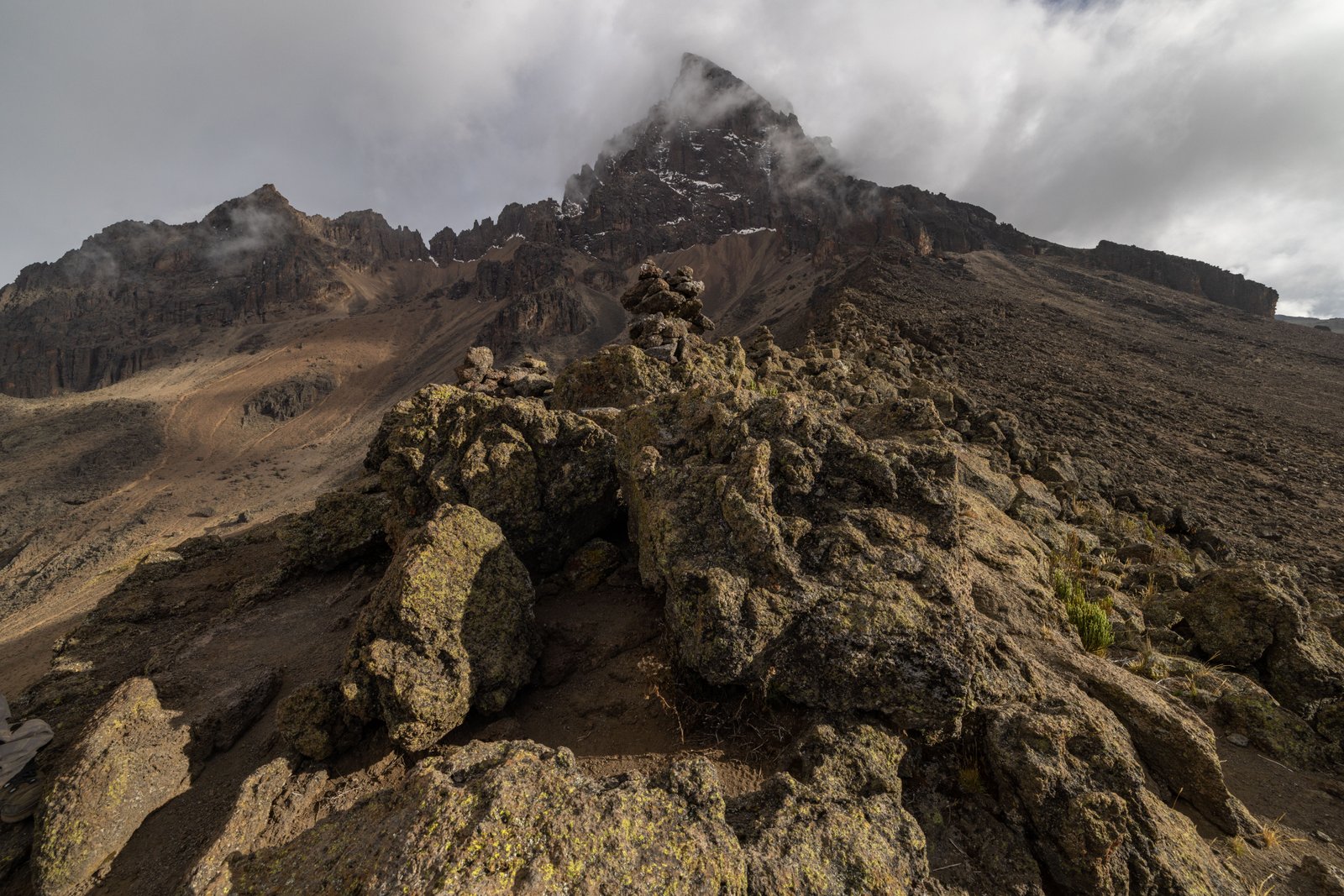
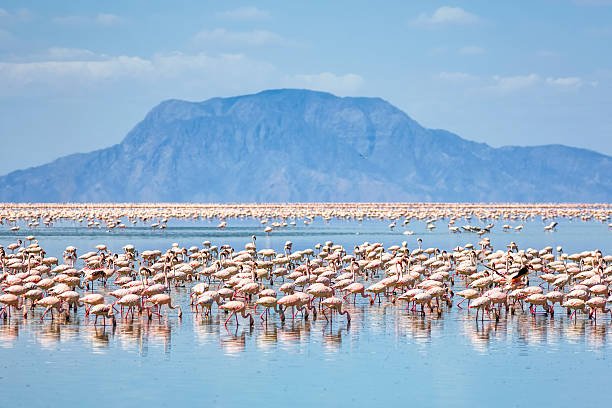
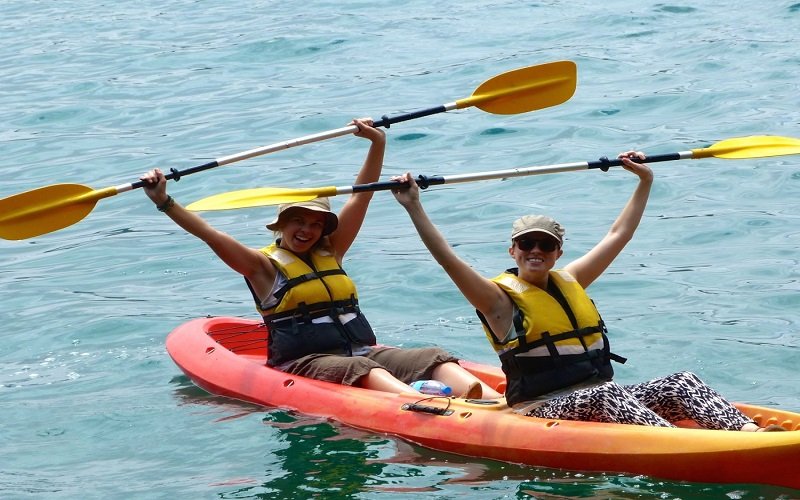
Images illustrate the journey. Views, weather and trail conditions vary and do not guarantee a particular summit experience.
Five Nights of Mountain Camping
This proposal uses tents throughout the mountain programme. Confirm sharing, sleeping mat provision, sleeping-bag requirements and any rental equipment before booking.
| Night | Planned camp | Arrangement |
|---|---|---|
| Night 1 | Simba | First northern-route camp |
| Night 2 | Kikelewa | After passing the Second Cave area |
| Night 3 | Mawenzi Tarn | One overnight before the Kibo crossing |
| Night 4 | Kibo area | Camping and rest before summit departure |
| Night 5 | Horombo area | Final mountain camp after the descent |
| Before / after trek | Moshi or another agreed base | Town hotels only when quoted |
Camp names and sleeping arrangements
Kibo Hut and Horombo Hut may appear in route descriptions as location names. They do not confirm a hut bed in this camping proposal. Any alternative accommodation must be expressly agreed in writing.
Personal equipment and optional extras
Ask separately about a single sleeping tent, private toilet tent and hired equipment. Confirm the supplied items rather than assuming all personal sleeping equipment is included.
A Typical Day on the Rongai Trail
Morning at camp
Follow the breakfast and packing arrangements, keep your daypack essentials accessible and listen to the stage briefing. The team explains the route and any changes before departure.
Walking with the group
Follow the guide’s pace and take planned breaks for meals and rest. Avoid racing ahead or leaving the agreed route. The substantial Day 2 and the summit-and-descent stage deserve attention when reviewing the programme.
Afternoon preparations
Settle into camp, organise dry clothing and sleeping equipment, and follow the meal and rest plan. Any additional local walk is guided and depends on conditions.
The Kibo routine
The Kibo evening focuses on summit preparation, equipment checks and rest before the overnight departure. Confirm your warm layers, headtorch and daypack contents during the briefing.
Meals and Camp Arrangements to Review
| Planning point | What to confirm |
|---|---|
| Mountain meals | Which meals are included on each day, especially the first and final days |
| Dietary needs | Share requirements in advance so practical arrangements can be reviewed |
| Drinking water | Confirm the supply and treatment arrangements |
| Personal snacks | Ask what is supplied and what to bring yourself |
| Shared equipment | Review tents, sleeping mats and communal camp items |
| Power and connectivity | Do not rely on guaranteed charging facilities or phone coverage |
What Is Included and Excluded?
Your final quotation confirms the purchased services, crew support and equipment. Review it alongside the itinerary before paying a deposit.
Proposed inclusions
- Six-day Rongai programme with Marangu descent.
- Mountain guiding and crew services as specified.
- Park, camping and applicable statutory fees expressly listed.
- Five mountain camping nights in the agreed tent arrangement.
- Sleeping mat and communal camp equipment where itemised.
- Mountain meals and drinking-water arrangements as confirmed.
- Agreed northern trailhead and Marangu Gate transfers.
- Pre-trek briefing and equipment review as arranged.
Not included unless agreed
- International or domestic flights and visa expenses.
- Personal insurance with appropriate high-altitude trekking cover.
- Airport transfers and town hotels not listed.
- Personal boots, clothing and trekking equipment.
- Sleeping-bag and other equipment rentals unless itemised.
- Single-tent or private-toilet supplements.
- Tips and personal purchases.
- Extra costs following a changed or shortened programme unless covered by the agreed terms.
Ask about communication, emergency equipment, evacuation arrangements and related costs before confirming. Park-related fees do not replace suitable personal insurance.
Information Needed for Your Rongai Quotation
| Planning detail | What to tell us |
|---|---|
| Dates | Preferred mountain starting date and arrival arrangements |
| Group | Number of trekkers and private or shared departure preference |
| Experience | Recent trekking background and previous high-altitude experience |
| Camping | Tent-sharing preference and any equipment rental needs |
| Transfers | Collection address, airport services and finishing point |
| Other services | Town hotel nights, dietary requirements and onward plans |
No fixed public price is displayed here. Request a total showing the selected services, optional extras, payment terms and cancellation conditions.
Essential Equipment for the Rongai Route
Use the full equipment checklist and complete the pre-trek kit review. This table is a planning overview rather than a complete packing list.
| Equipment group | Items to review | Planning note |
|---|---|---|
| Footwear | Broken-in trekking boots, suitable socks and optional gaiters | Check comfort before travelling |
| Clothing | Base layers, insulation, warm layers, gloves and headwear | Follow the full high-mountain clothing checklist |
| Weather protection | Waterproof jacket, waterproof trousers and dry storage | Keep important layers protected and accessible |
| Sleeping | Appropriate sleeping bag and confirmed sleeping mat | Check specifications and rental provision in advance |
| Walking | Daypack, trekking poles and water-carrying system | Review capacity, fit and crew luggage arrangements |
| Summit items | Headtorch, spare batteries, warm layers and eye protection | Review the complete kit before summit night |
| Personal essentials | Sun protection, toiletries, personal items and documents | Keep essentials in your own accessible bag |
Preparing for the Six-Day Programme
Train for consecutive walking days
Prepare for sustained uphill walking, uneven terrain and a long descent. Use your boots and daypack before travel so equipment comfort is already familiar.
Review the shorter schedule carefully
This route moves from Mawenzi Tarn to Kibo without a separate day remaining at Mawenzi Tarn. Discuss the six-day and seven-day options with the team, including your recent trekking background and previous altitude experience.
Keep communication clear
Tell your guide promptly if you feel unwell or notice a change in your condition. Follow decisions about pace, continuation, turnaround or descent. Seek individual advice from a qualified clinician before travel if you have relevant health concerns.
Allow time around the climb
Plan the arrival briefing and equipment check before the first mountain day. Leave a practical margin after the final descent before onward flights or another demanding programme.
Thoughtful Trekking and Camp Habits
- Follow the agreed route and the guide’s instructions.
- Keep your tent and communal spaces tidy.
- Carry personal waste as directed and use designated facilities.
- Respect staff and other travellers when taking photographs.
- Keep important personal items organised and accessible.
- Avoid independent outings around camp, especially after dark.
Compare Other Kilimanjaro Routes
Frequently Asked Questions
Are these six mountain days?
Yes. Arrival, departure, town hotels and airport transfers are separate unless expressly included in your quotation.
Which six-day Rongai variation is shown here?
The version using Simba, Kikelewa, Mawenzi Tarn, Kibo and Horombo, followed by exit at Marangu Gate.
Do we sleep at Second Cave?
No. Day 2 passes through the Second Cave area and continues to Kikelewa in this version.
Is there an extra day at Mawenzi Tarn?
No. You spend one night there and continue to Kibo on Day 4. Our seven-day version includes an additional day at that base.
Is a technical Mawenzi summit climb included?
No. Passing and camping near Mawenzi does not include climbing its technical summit.
When is the summit attempt?
The planned summit stage is Day 5, usually beginning overnight from Kibo and approaching the rim via Gilman’s Point.
Are hut beds included at Kibo or Horombo?
No. This proposal uses camping. Any hut accommodation must be specifically confirmed in writing.
Where does the descent finish?
At Marangu Gate, followed by the agreed town transfer. It does not return to the northern trailhead or exit through Mweka.
Does six days guarantee a summit?
No. Altitude response, weather and other conditions affect the climb. The guide may change the plan or require a turnaround or descent.
Can equipment and town services be added?
Request rentals, hotel nights and airport transfers before booking. Items are included only when listed in the quotation.
Are shared group dates confirmed on this page?
No. Ask about availability. This itinerary does not itself announce a reserved shared departure.
Does the enquiry form reserve the trek?
No. It prepares a message for the configured WhatsApp or email channel. Send it in that application; booking follows an agreed written proposal and its terms.
Plan Your Six-Day Rongai Climb
Send your preferred starting date, group size and trekking background. Include equipment rental, town hotel and transfer requirements so we can prepare a clear proposal for your northern-route journey.
Request My Rongai Route Quote →